Flower Bed Creation in Walthamforest
Beautiful planting spaces designed for local homes and businesses
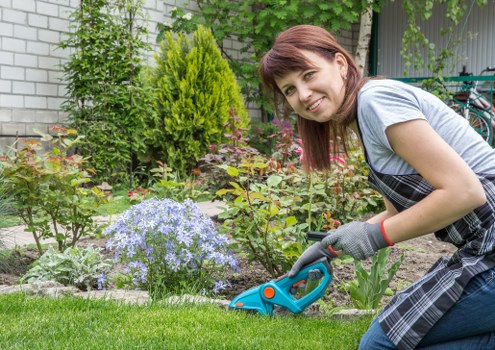
If you are thinking about flower bed creation in Walthamforest, you are probably looking for a way to make your front garden, rear garden, communal space, or commercial frontage feel more polished, welcoming, and easier to maintain. A well-built flower bed does more than add colour. It creates structure, frames paths and boundaries, softens hard landscaping, and brings seasonal interest to spaces of every size.
In a borough with a mix of Victorian terraces, maisonettes, newer developments, shopfronts, schools, and shared outdoor spaces, the right planting area has to suit both the property and the practical realities of local life. That means thinking about light levels, soil condition, drainage, access, parking, and how much time you want to spend on upkeep. A local service for flower bed creation in Walthamforest can take all of this into account and shape a planting area that looks good and works properly.
Whether you want a neat border for a small front garden in Leytonstone, a statement bed outside a home in Walthamstow, or a low-maintenance planting scheme for a business near Chingford or Wood Street, the aim is the same: to create a feature that fits your space and your routine. Good flower bed design is not just about planting flowers; it is about making your outdoor area feel considered, practical, and easy to enjoy throughout the year.
Why flower bed creation matters for Walthamforest properties

Outdoor space in Walthamforest is often at a premium, especially around densely built streets and properties with compact front gardens or narrow side access. This makes careful planning essential. A flower bed that is too deep can take away valuable usable space, while one that is too small may not have enough impact or planting room. The right balance depends on the layout of your property and how you use the garden.
Local homes often benefit from flower beds that can improve kerb appeal without needing constant attention. Many customers want planting that stays tidy along pavements, paths, fences, and driveway edges. Others are looking for beds that increase privacy, support pollinators, or add colour to shaded plots. A locally planned bed can solve these needs while still looking attractive.
Commercial customers also value flower bed creation because it helps a property feel more cared for from the moment someone arrives. Offices, care settings, schools, restaurants, retail units, and shared residential developments all benefit from well-designed planting areas that create a better first impression and support the wider landscape. In busy parts of Walthamforest, a clean, structured planting area can make a real difference to how a space feels and functions.
What is included in our flower bed creation service
Every site is different, so the exact process may vary, but a professional flower bed service typically includes a full review of the space, preparation of the ground, and the creation of a planting area that is suited to your goals. The work may be used for new gardens, replacing tired borders, or converting unused ground into a productive and attractive feature.
Typical elements may include:
- Assessing the existing ground conditions and available space
- Removing turf, weeds, rubble, old edging, or unwanted materials
- Shaping the bed to suit the property layout and access points
- Improving soil quality with suitable compost or topsoil
- Installing edging to create a neat and lasting finish
- Planning plant placement for colour, structure, and seasonal interest
- Adding mulch to help retain moisture and suppress weeds
- Considering drainage, sunlight, and future maintenance needs
For many customers, the most valuable part of the service is the planning. A good flower bed should not look as though it was added as an afterthought. It should fit into the wider garden or frontage, connect naturally with paths, walls, fences, and patios, and leave enough room for practical movement. That is especially important in smaller Walthamforest properties where every metre matters.
How the service works from first enquiry to finished planting area
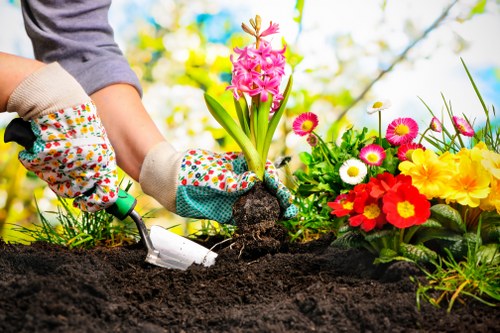
The process starts with understanding what you want the space to do. Some customers want an ornamental feature with lots of seasonal colour. Others need a hardy border that stands up well to changing weather and limited upkeep. You may be replacing a patchy lawn, improving a tired border, or creating a flower bed where there was previously only bare soil or paving.
After an initial discussion, the site is assessed so that the bed can be planned around the realities of the space. This might include checking how much direct light the area gets, whether the soil is heavy or poor draining, where water naturally gathers, and whether there are roots, pipes, steps, or boundary issues to work around. In many Walthamforest gardens, access can also affect how materials are brought in and how waste is removed, so this is always worth considering early.
Once the layout is agreed, the ground can be prepared and the flower bed created with suitable edging and soil improvement. If planting is part of the service, the choice of plants can then be matched to the bed size, aspect, and maintenance level you want. The result should be a planting space that feels intentional and that will settle in well over time.
Typical stages in a flower bed project
- Discuss your goals, style preferences, and upkeep expectations
- Inspect the site and assess practical limitations
- Clear the chosen area and prepare the ground properly
- Create the bed shape and install edging if needed
- Improve the soil and add mulch or other finishing materials
- Plant out selected shrubs, perennials, bedding plants, or mixed seasonal displays
- Tidy the area and explain any early care requirements
Popular flower bed styles for Walthamforest gardens
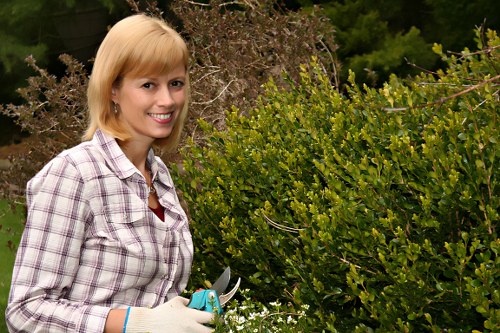
There is no single correct style for a flower bed. The best choice depends on your property, your taste, and how much maintenance you are happy to take on. In Walthamforest, a lot of customers choose flower beds that are practical as well as attractive, especially where space is limited or outdoor areas are used by children, pets, tenants, customers, or staff.
Formal front garden borders are popular where kerb appeal matters. These usually have crisp lines, tidy edging, and a balanced planting scheme. They work well for terraced streets, semi-detached homes, and properties where the front area needs to look neat through much of the year.
Informal cottage-style beds can suit larger gardens and families who want a softer look with layered planting and plenty of seasonal variation. These beds often mix perennials, shrubs, bulbs, and annuals to keep interest changing through the seasons.
Low-maintenance planting schemes are also in demand. These often use hardy plants, weed-suppressing mulch, and shapes that are easy to edge and manage. For customers with busy schedules, rental properties, or communal outdoor spaces, this can be the most practical choice.
Examples of styles that work well locally
- Raised flower beds for poor soil or limited ground access
- Boundary beds along fences and walls
- Courtyard planting areas for smaller homes
- Pollinator-friendly beds with seasonal nectar plants
- Mixed ornamental borders for year-round interest
- Modern, minimal beds with clean edging and structural planting
Choosing plants that suit the local conditions

Plant choice is one of the most important parts of successful flower bed creation in Walthamforest. A bed can be beautifully built, but if the plants are not suited to the soil or aspect, it will never look its best. That is why it helps to choose plants based on what the site actually offers rather than only on appearance in a nursery.
Shady gardens, for example, may need plants that are comfortable with reduced sunlight, while open front gardens with full sun can support a different mix entirely. Heavier clay soil may need improving before certain plants will thrive, and exposed sites may need stronger planting to cope with wind and seasonal stress. The benefit of working with a local team is that these conditions are familiar and can be planned for from the start.
Common planting options may include evergreen structure, flowering perennials, hardy shrubs, grasses, climbers for supporting walls, and seasonal bedding for more immediate colour. The right mix depends on whether you want long-term structure, a bold floral display, or something that offers interest with less intervention. A thoughtful planting plan can reduce future maintenance and keep the bed attractive for longer.
Planting considerations that make a difference
- Sun or shade at different times of day
- Soil type, fertility, and drainage
- Desired colour palette and height variation
- Whether bees and butterflies are a priority
- How often the bed will be watered and trimmed
- Whether the space needs to stay tidy all year
Why a local company is useful in Walthamforest
Local knowledge matters in a service like flower bed creation because outdoor spaces are shaped by very real practical issues. Parking can be difficult on busy residential roads. Access may be tight through side passages, shared entrances, or narrow front gates. Some gardens are split-level, some sit behind terraced properties, and some commercial sites need work to be done with minimal disruption to customers or staff.
A local team understands that the logistics are part of the job, not an afterthought. The ability to plan for material delivery, waste removal, and on-site movement can save time and avoid hassle. It also helps when the team is familiar with the kinds of properties common in and around Walthamforest, including terrace gardens, maisonettes, shared courtyards, shop fronts, and landscaped communal areas.
When people look for flower bed creation in Walthamforest, they often want a service that feels straightforward and reliable. They need someone who can explain what is possible, what will need preparation, and how the finished bed will be maintained. That level of clarity makes the whole project easier to commit to and easier to enjoy once complete.
Flower beds for residential customers
Homeowners often want their outdoor space to feel more finished and welcoming. A new flower bed can transform a plain front garden, brighten a patio edge, or bring life to a narrow strip beside a path. For families, it can also define outdoor zones and make a garden feel more organised and usable.
Some residential customers want to improve a property before putting it on the market. Others are simply tired of looking at neglected borders that have become overrun with weeds or bare patches. In either case, a professionally created bed can make a garden look more cared for with relatively little space.
For landlords and property managers, flower bed creation can help present a home more neatly to tenants and visitors. It can also reduce the risk of untidy areas becoming neglected over time, especially if the design uses hardy planting and sensible edging. In rental and shared properties, simple maintenance is often just as important as appearance.
Residential benefits at a glance
- Better kerb appeal and a more welcoming entrance
- Clearer separation between lawn, path, patio, and border areas
- Improved seasonal colour and structure
- Less wasted space in awkward corners or thin strips of ground
- Options for low-maintenance or pollinator-friendly planting
Flower beds for businesses and shared spaces
Commercial and shared spaces in Walthamforest need planting that looks attractive but also stands up to regular use. A flower bed near an entrance, car park, or boundary can soften hard paving and make the site look more inviting. For customer-facing premises, this can influence the first impression people get before they even step inside.
Businesses often need planting that is neat, durable, and easy to maintain. This may include compact beds near shopfronts, decorative borders by reception areas, or larger landscape features around office buildings and communal developments. The planting should support the property without creating added work that becomes difficult to manage.
Where a site receives frequent visitors, the layout also matters for safety and practicality. Beds should not obstruct walkways or reduce visibility. They should be positioned so they do not interfere with access for pedestrians, deliveries, or maintenance teams. A well-planned planting area can add value without getting in the way.
Common commercial uses
- Shopfront and hospitality frontage planting
- Office and business park landscaping
- School grounds and learning environments
- Residential block communal borders
- Care and support property entrances
- Mixed-use developments and shared courtyards
Areas covered across Walthamforest
Flower bed creation can be arranged across different parts of Walthamforest and nearby neighbourhoods. The exact approach may vary from street to street, but the principles stay the same: practical planning, clean preparation, and planting that suits the site.
Services are commonly requested in areas such as Walthamstow, Leyton, Leytonstone, Chingford, Highams Park, Woodford borders, and surrounding parts of the borough. From compact terraced plots to larger suburban gardens, each area brings its own challenges and opportunities. Some locations have easier access and larger front gardens, while others require careful handling because of narrow paths, limited parking, or shared entrances.
If you are unsure whether your property is suitable for new flower beds, it is usually worth asking. In many cases, a sensible design can work around awkward layouts and turn underused ground into a more attractive feature. Even a modest border can make a noticeable difference when it is planned well.
What affects pricing for flower bed creation
Customers often want to know what influences the cost of flower bed creation before they book. While exact prices depend on the site and the scope of the work, there are a few common factors that shape a quotation. Understanding these can help you decide what kind of project fits your budget and your priorities.
The main factors often include the size of the area, the amount of clearance needed, the quality of the soil, whether edging or raised structures are required, and whether planting is included. Access can also affect labour and time, especially where materials need to be carried through narrow side access or where parking is limited. In some gardens, extra care is needed around existing roots, paving, or boundaries, and this can also influence the overall scope.
It is also worth considering the finish you want. A simple prepared bed will usually involve less work than a bed with decorative edging, imported topsoil, multiple plant layers, and mulch. The best way to approach it is to decide what you want the bed to do and then get a tailored quote based on that brief. Request a free quote if you want a clearer idea of the options for your space.
Things that can affect the quote
- Bed size and shape
- Ground clearance and waste removal
- Type of edging or retaining structure
- Soil improvement requirements
- Choice of planting and finishing materials
- Ease of access and parking near the property
How to prepare for your flower bed project
A little preparation can make the service smoother and help the work move efficiently. You do not need to do everything yourself, but a few simple steps before the team arrives can make a difference, especially in tighter Walthamforest streets where access matters.
Preparation may include clearing personal items from the work area, making sure access routes are open, and identifying anything that should be protected, such as lighting, pipework, ornaments, or existing shrubs you want to keep. If parking is limited, it is useful to think ahead about where a vehicle can stop safely. For shared properties, checking access arrangements in advance can avoid delays.
If you already have ideas for the style of bed you want, it helps to gather them before the project begins. You may want to think about preferred colours, whether you want a neat formal look or a softer planting scheme, and how much maintenance you are happy with. The more clearly you can describe your goals, the easier it is to create a bed that suits you.
Why customers choose professional help instead of doing it themselves
Some people enjoy gardening and are happy to take on a project themselves. Others start with good intentions but quickly realise that flower bed creation is more involved than simply digging a border and planting a few flowers. Proper bed creation requires planning, ground preparation, and an understanding of how the space will perform over time.
Professional help can save time and reduce the risk of making costly mistakes. For example, a bed that is not edged properly can lose its shape, allow grass to creep in, or look unfinished. Poor soil preparation can lead to weak plant growth. Choosing the wrong plants for a shade-heavy or exposed spot can mean repeated replacements. A local service helps you avoid these problems by building the bed around the conditions of the site.
Many customers also prefer the convenience of having one team handle the entire process. That can include preparation, shaping, soil improvement, planting, and tidying up afterwards. It is a straightforward way to get the result you want without losing weekends to hard digging or trial-and-error planting.
Frequently asked questions
Can you create flower beds in small front gardens?
Yes. Small front gardens are very common in Walthamforest, and they often benefit the most from a smartly designed planting area. A narrow border or compact raised bed can add colour and structure without overwhelming the space.
Do I need to know which plants I want?
No. If you are unsure, the planting can be planned around the light, soil, and maintenance level you prefer. Many customers ask for suggestions based on low upkeep, seasonal colour, wildlife value, or a more formal appearance.
Can flower beds help with a neglected garden?
Yes. A new flower bed can be an effective way to break up a tired or overgrown area and turn it into something more usable. In some cases, it can also help structure the rest of the garden so future maintenance feels easier.
Will access be a problem if my garden is tight?
Tight access is common locally, especially in terraced streets and shared properties. It is usually manageable with good planning, but it is important to mention it early so the project can be scheduled and prepared properly.
Can you create low-maintenance planting areas?
Yes. Many customers prefer hardy, easy-care flower beds that still look attractive. These can include evergreen structure, reliable perennials, and a mulch finish to help reduce weeds and retain moisture.
Do you work on both residential and commercial properties?
Yes. Flower bed creation is suitable for homes, landlords, businesses, and shared developments. The planting style and layout can be adapted for each setting depending on access, appearance, and maintenance needs.
Book your flower bed creation service in Walthamforest
If you are ready to improve your outdoor space, flower bed creation in Walthamforest is a practical and attractive way to do it. A well-planned bed can bring life to a garden, create a more welcoming frontage, and make a property feel looked after. It can also be tailored to the way you live or work, whether that means low-maintenance planting, seasonal colour, or a more formal design.
From small residential borders to larger commercial planting areas, the service can be shaped around your space and your goals. If you want a neat finish, better planting structure, and a team that understands local access and layout challenges, this is a strong option for your property.
Contact us today to discuss your ideas, ask about the process, and request a free quote. Book your service now and take the first step toward a better-looking garden, frontage, or shared outdoor area.

